 By Akash Sharma
 A period suddenly becomes unusually heavy. A dull pelvic ache keeps returning, or an intimate irritation refuses to settle. Many women wait, hoping the problem will disappear, because they feel embarrassed or are unsure whether it is serious enough. A gynecologist is precisely the doctor to consult when reproductive or pelvic health begins raising questions.
You do not need to wait for pregnancy, marriage or a major illness before booking an appointment. Gynecologists provide preventive care, explain normal body changes and investigate symptoms involving periods, the vagina, vulva, uterus, ovaries, breasts, fertility and menopause. The right time to visit depends on your age, symptoms and health goals.
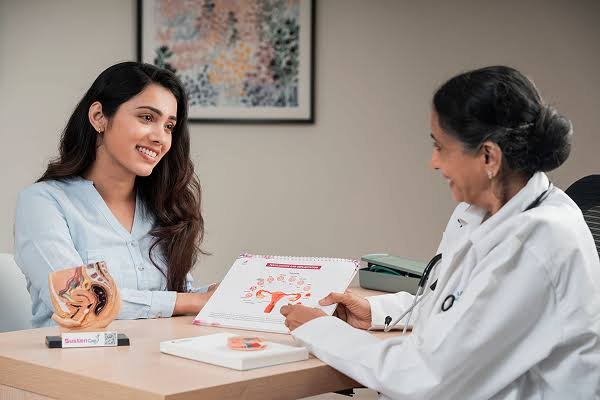
Routine Visits Matter Even Without Symptoms
A gynecological visit is not only for treating disease. It can cover menstrual health, contraception, sexual health, vaccination, pregnancy planning, menopause and appropriate screening. Teenagers may have an initial reproductive-health visit between ages 13 and 15; this is often mainly a confidential conversation and does not automatically require an internal examination.
Cervical screening schedules vary by age, history and country. Follow the programme recommended where you live rather than copying another person’s timetable.
Signs That It Is Time to See a Gynecologist
1. Periods Become Very Irregular or Stop
Occasional variation can happen because of stress, illness, travel or weight changes. Make an appointment when periods repeatedly arrive very early or late, disappear for about three months when pregnancy is not the explanation, or change sharply after previously being regular. Hormonal conditions, thyroid problems, polycystic ovary syndrome and other causes may need to be considered.
2. Bleeding Is Unusually Heavy
Seek advice if bleeding regularly soaks through period products very quickly, lasts longer than usual, includes large clots or leaves you weak and breathless. Heavy periods can affect daily life and may cause iron-deficiency anaemia. A gynecologist can investigate the cause instead of simply asking you to tolerate it.
3. Period Pain or Pelvic Pain Disrupts Daily Life
Mild cramps are common, but severe pain that causes missed school or work, vomiting, faintness or repeated need for strong pain relief deserves evaluation. Persistent lower-abdominal pain, pain between periods or discomfort during urination or bowel movements may be linked to conditions such as endometriosis, fibroids, ovarian cysts or pelvic infection.
4. There Is Unusual Discharge, Odour, Itching or Burning
Vaginal discharge naturally changes during the menstrual cycle. A visit is sensible when its colour, smell or texture changes noticeably, especially with itching, soreness, burning, rash or pain while urinating. These symptoms may come from infection, irritation or another treatable condition. Avoid repeatedly self-treating without knowing the cause.
5. You Bleed Between Periods, After Sex or After Menopause
Unexpected spotting can have several explanations, including hormonal contraception, infection, polyps and changes to the cervix or uterus. Bleeding after sex should be checked if it recurs. Any vaginal bleeding after menopause requires medical assessment, even when the amount is small or it happens only once.
6. Sex Is Painful
Pain during or after sex is not something a woman must silently accept. Dryness, infection, pelvic-floor tension, endometriosis and other conditions can contribute. Tell the doctor where the pain occurs, when it began and whether there is bleeding or discharge. The consultation should proceed respectfully and with your consent.
7. You Need Contraception or Sexual-Health Advice
A gynecologist can explain contraceptive choices, possible side effects, emergency contraception and protection from sexually transmitted infections. Testing may be advisable after unprotected sex, a new partner or possible exposure. Honest information helps you make safer decisions without shame.
8. You Are Planning Pregnancy or Having Trouble Conceiving
A pre-pregnancy visit can review medicines, vaccinations, long-term conditions, menstrual cycles and folic-acid needs. Seek advice sooner if periods are very irregular, there is a known reproductive condition or age may affect fertility. Otherwise, the timing of a fertility assessment depends on age and how long pregnancy has been attempted.
9. You Notice Persistent Vulval Changes
Persistent vulval sores, lumps, swelling, skin-colour changes or itching should be examined. These changes may result from irritation, infection, a skin condition or another cause that needs proper diagnosis.
10. Menopause Symptoms Affect Your Quality of Life
Hot flushes, poor sleep, vaginal dryness, painful sex, mood changes and urinary symptoms can become difficult during perimenopause and menopause. A consultation can explain suitable measures or treatments based on personal needs.
When Should You Seek Urgent Help?
Do not wait for a routine appointment if you have:
- sudden or severe pelvic pain, particularly with fever, vomiting or a swollen abdomen;
- very heavy bleeding accompanied by weakness, fainting, dizziness or shortness of breath;
- pelvic pain or bleeding when you are pregnant or may be pregnant;
- fainting, shoulder-tip pain or worsening one-sided pain with a possible pregnancy; or
- rapidly worsening symptoms that make you feel seriously unwell.
Important: These signs can have causes other than a gynecological emergency, but they require prompt assessment. Use your local emergency service or nearest hospital when symptoms are severe.
What Happens During the Appointment?
The doctor usually begins by asking about symptoms, menstrual history, medicines, pregnancies and relevant family history. Depending on the concern, the visit may include a general examination, abdominal or pelvic examination, pregnancy test, swabs, blood tests or ultrasound. Not every visit requires an internal examination.
The doctor should explain why any examination is recommended and ask for consent. You may request a chaperone and ask the doctor to stop at any time. Writing down symptoms, cycle dates and current medicines before the visit can make the conversation easier.
Bottom Line
See a gynecologist when periods, pelvic pain, discharge, bleeding, sexual health, fertility, pregnancy or menopause raises a concern. Symptoms do not need to become unbearable before you seek help. A timely, respectful consultation can provide answers, reassurance and treatment while problems are still easier to manage.
Frequently Asked Questions
Q: Can I visit a gynecologist while I am on my period?
A: Usually yes, especially when the appointment concerns heavy bleeding or pain. Certain tests may be easier at another time, so call the clinic if the bleeding is heavy or the visit is specifically for screening.
Q: Can I ask for a female gynecologist?
A: Yes. You can request a female doctor when booking, although availability may affect the appointment time. You can also ask whether a chaperone or trusted support person may be present.
Q: Should I use an intimate wash before the appointment?
A: No special cleaning is needed. Wash externally as usual, but avoid douching, scented internal products or vaginal medicines before testing unless a clinician has instructed you to use them.
Q: What information should I carry?
A: Bring the dates of recent periods, a short symptom timeline, details of medicines and supplements, previous reports and any questions you want answered. This often makes the consultation more useful.