 By Akash Sharma
 A wardrobe is one of the most important investments in an Indian bedroom. It holds not just clothes but also precious items like sarees, winter wear, linens, and family heirlooms. In Indian homes, wardrobes must handle high humidity, monsoons, dust, termites, and the storage needs of joint or nuclear families. Choosing the right material directly impacts durability, aesthetics, maintenance, and long-term value.
This article explores the 5 best wardrobe materials for Indian bedrooms, their advantages, limitations, and ideal applications to help you make a smart choice.
1. Solid Teak Wood (Sagwan)
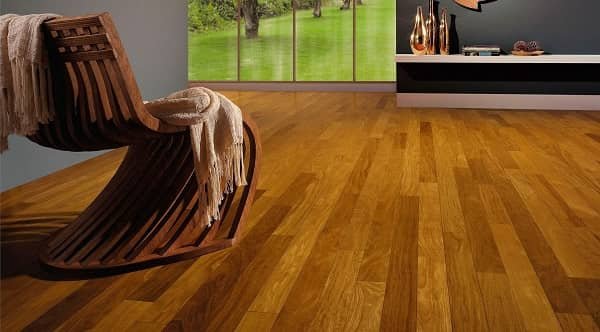
Teak remains the gold standard for premium wardrobes in India. Its natural oils make it highly resistant to moisture, termites, and warping.
Pros:
- Exceptional longevity (can last 30–50+ years).
- Beautiful grain and rich golden-brown colour that ages gracefully.
- Excellent for humid coastal regions like Mumbai, Chennai, and Kerala.
Cons:
- Expensive (₹80,000–2 lakhs+ for a good 3-door wardrobe).
- Heavy, making transportation and installation challenging.
Best for: Master bedrooms in independent houses or luxury apartments where budget is not a constraint. Teak is ideal if you want a family heirloom piece.
2. Sheesham Wood (Indian Rosewood)
Sheesham is the most popular solid wood choice for middle-class Indian families. It offers an excellent balance of beauty, strength, and affordability.
Pros:
- Beautiful dark streaks and natural grain patterns.
- Good termite resistance and strength for daily use.
- More affordable than teak while maintaining a traditional Indian look.
Cons:
- Needs regular polishing and protection from excessive moisture.
- Can develop minor cracks in very dry regions if not properly seasoned.
Best for: Most Indian bedrooms, especially in North and Central India. It suits traditional as well as contemporary interiors.
3. Marine/BWP Grade Plywood
Boiling Water Proof (BWP) plywood or marine plywood has become a favourite for modern modular wardrobes. Multiple layers of wood veneers are bonded with waterproof adhesives.
Pros:
- Excellent moisture resistance — perfect for Indian monsoons.
- Lightweight compared to solid wood.
- Cost-effective and highly customizable for modular designs.
- Termite-resistant when treated properly.
Cons:
- Less premium feel than solid wood.
- Edge banding quality determines long-term durability.
Best for: Urban apartments, rental homes, and families who prefer sleek, modern designs with internal organizers.
4. MDF with Laminate or Veneer
Medium Density Fiberboard (MDF) with high-quality laminate or wood veneer is widely used in budget-to-mid-range wardrobes.
Pros:
- Smooth, uniform surface ideal for modern finishes.
- Affordable and available in many colours and textures.
- Good for laser-cut designs and built-in lighting.
Cons:
- Poor moisture resistance if low-quality or edges are not sealed properly.
- Can swell in high humidity if damaged.
Best for: Contemporary bedrooms, children’s rooms, and homes in drier regions. Always choose high-density MDF with proper edging.
5. Hybrid (Wood + Metal/Glass)
Hybrid wardrobes combine wooden frames with metal accents, glass doors, or powder-coated steel elements. Many modular systems use this approach.
Pros:
- Best of both worlds — strength of wood with modern look of metal/glass.
- Lightweight, stylish, and highly customizable.
- Good ventilation options with mesh or perforated metal panels.
Cons:
- Metal parts may rust in very humid areas if not properly coated.
- Joint quality varies between manufacturers.
Best for: Young families, studio apartments, and those who want a contemporary fusion style.
Key Factors to Consider
- Climate: Prioritize teak or BWP plywood in humid areas; Sheesham or MDF works in drier zones.
- Budget: Solid wood for long-term investment; plywood/MDF for value-for-money.
- Storage Needs: Look for internal organizers, drawers, hanging rods, and shelves.
- Maintenance: All materials need some care — regular cleaning and termite treatment (for wood).
- Vastu: Many families prefer heavy wooden wardrobes placed in the south-west direction.
- Warranty: Reputed brands offer 5–10 years on structure.
Recommended Brands: Wooden Street, Godrej Interio, Spacewood, Sleek, and local modular specialists.
Final Tips for Buying
- Measure your bedroom accurately, including door width.
- Inspect material quality, hardware (hinges, channels), and finish in person.
- Prefer hydraulic or soft-close mechanisms for convenience.
- Buy during festive sales for better discounts.
Conclusion
Selecting the right wardrobe material for Indian bedrooms requires balancing durability, aesthetics, budget, and climate suitability. Solid Teak and Sheesham offer timeless elegance and longevity, while BWP Plywood and MDF provide practical, modern solutions at reasonable prices. Hybrid designs are excellent for contemporary homes.
Invest time in research and visit showrooms to touch and feel materials. A well-chosen wardrobe will serve your family reliably for 10–20 years, keeping clothes organized and protected. Whether you prefer traditional wooden charm or sleek modular designs, the right material will enhance both functionality and beauty in your Indian bedroom.
FAQ
Q1: Which wardrobe material is best for humid cities like Mumbai or Chennai?
A: Teak wood or BWP/Marine plywood is the best choice due to superior moisture resistance.
Q2: Is MDF suitable for Indian bedrooms?
A: Yes, if you choose high-quality MDF with proper laminate and edge banding. It works well in low-humidity areas.
Q3: How long does a good wooden wardrobe last?
A: Solid wood wardrobes (Teak/Sheesham) can last 20–40 years with proper care, while plywood versions last 10–15 years.
Q4: What is more budget-friendly — solid wood or plywood?
A: Plywood and MDF wardrobes are more budget-friendly while offering good durability for daily use.
Q5: Should I buy ready-made or custom modular wardrobes?
A: Custom modular wardrobes are better for Indian bedrooms as they utilize every inch of awkward spaces perfectly.
Q6: How can I protect my wooden wardrobe from termites?
A: Apply regular termite treatment, keep the area dry, and use camphor or neem leaves inside the wardrobe.
Q7: What should be the ideal depth of a wardrobe in Indian homes?
A: 24–28 inches (60–70 cm) is ideal for comfortable storage of Indian clothes and accessories.