 By Akash Sharma
 Renting an apartment in India comes with its own set of challenges, especially when it comes to furnishing. From compact 1BHKs in Mumbai and Bangalore to mid-size homes in Delhi or Hyderabad, renters often face space constraints, short lease periods, landlord restrictions, and the constant possibility of moving. Investing heavily in permanent furniture can be risky, while cheap, low-quality pieces may not last even one year. The key lies in choosing smart, flexible, and practical furniture that enhances comfort without creating complications when it’s time to move out.
This guide offers practical advice on selecting furniture for rental apartments in India, helping you create a functional, stylish, and budget-friendly home that you can enjoy without long-term commitment.
1. Understand Your Rental Constraints First
Before buying anything, review your rental agreement carefully.
- Check rules about drilling walls, installing heavy items, or making permanent changes.
- Note security deposit clauses — damaged or marked walls/floors can lead to deductions.
- Consider the lease duration. Short-term (6–11 months) renters should prioritize lightweight, easy-to-move items.
Pro Tip: Take detailed photos of the empty apartment before moving in to avoid disputes later.
2. Prioritize Multi-Functional and Portable Furniture
Space is premium in most Indian rental apartments. Focus on pieces that serve multiple purposes.
- Beds: Hydraulic storage beds are a lifesaver. They provide massive storage for extra bedding, clothes, and suitcases without needing additional almirahs.
- Sofas: Sofa-cum-beds or compact L-shaped sofas with storage are ideal for living rooms that double as guest bedrooms.
- Dining: Foldable or extendable dining tables with stackable chairs save space when not in use.
- Storage: Modular wardrobes, shoe racks, and wall-mounted shelves that can be disassembled easily.
Lightweight materials like engineered wood, metal, or fabric-covered pieces are easier to transport during moves.
3. Budget Planning
Set a realistic budget based on your stay duration:
- Short stay (under 1 year): ₹80,000 – 1.5 lakhs
- Medium stay (1–3 years): ₹1.5 – 3 lakhs
Allocate more to high-use items like beds and sofas. Buy second-hand or during sales on Pepperfry, Urban Ladder, Amazon, or Facebook Marketplace to save significantly. Renting furniture is also a growing option in major cities for short-term needs.
4. Material and Durability Choices
- Wooden Furniture: Offers warmth and classic looks but can be heavy to move and susceptible to termites in humid areas.
- Metal Furniture: Lightweight, durable, termite-proof, and easy to transport — excellent for beds, racks, and TV units.
- Fabric/Leatherette: Choose stain-resistant, washable upholstery. Leatherette is more practical for Indian families with children and frequent guests.
Avoid very expensive solid wood pieces unless you plan to stay long-term or can sell them easily.
5. Room-by-Room Recommendations
Bedroom:
Prioritize a good quality bed with storage. Add a small modular wardrobe or hanging organizers. Use under-bed storage boxes and wall-mounted shelves to maximize vertical space.
Living Room:
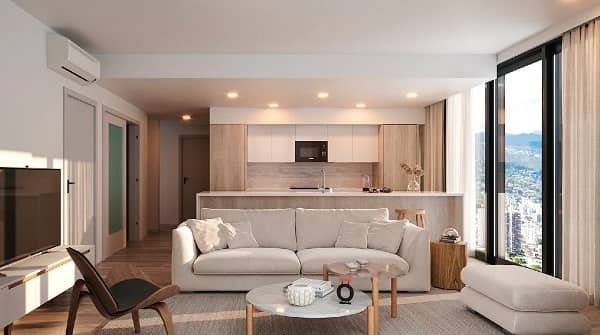
Choose a compact sofa (3-seater or small L-shaped) with storage. Add nesting tables, a wall-mounted TV unit, and foldable chairs for guests. Rugs and curtains in light colours help the room feel bigger.
Kitchen & Dining:
Opt for a foldable dining table or a small bar counter. Use stackable stools and multi-tier trolleys for storage. Wall-mounted racks free up counter space.
Overall Home:
Incorporate mirrors to create an illusion of space, light-coloured furniture to brighten rooms, and multi-purpose ottomans.
6. Style and Aesthetics
Stick to neutral colours (beige, grey, light brown) that appeal to most landlords and future tenants. These colours are also easier to maintain in dusty Indian conditions. Add personality through removable items like cushions, curtains, rugs, and wall decals that can be taken with you.
7. Shopping and Negotiation Tips
- Visit showrooms to test comfort and quality.
- Compare prices across online platforms and local markets.
- Negotiate for bundle deals or free installation.
- Check return policies and warranties carefully.
- Consider pre-owned furniture in good condition from OLX or Quikr.
8. Maintenance and Moving Strategy
- Document the condition of furniture with photos.
- Use furniture covers during monsoons.
- Choose items with easy assembly/disassembly.
- Sell or donate unwanted pieces before moving to avoid transport hassles.
Conclusion
Furnishing a rental apartment in India requires a balance of practicality, affordability, and flexibility. By prioritizing multi-functional, lightweight, and neutral pieces, you can create a comfortable and stylish home without heavy financial commitment or moving complications. Focus on quality for high-use items like beds and sofas, while saving on decorative elements that can be easily replaced.
A well-furnished rental home should feel personal yet practical. With smart choices, even a small apartment can become a cosy, functional space you’ll love coming back to every day. Take time to plan, measure your space accurately, and invest in pieces that serve your current lifestyle while remaining easy to move or sell. Your rented home can truly feel like your own with the right furniture decisions.
FAQ
Q1: Should I buy expensive furniture for a rental apartment?
A: No. Focus on durable yet affordable, easy-to-move pieces. Save luxury purchases for your own future home.
Q2: What is the most important furniture to buy first?
A: A good quality bed with storage should be your top priority, followed by a sofa and basic storage solutions.
Q3: Is it better to buy new or second-hand furniture for rentals?
A: Second-hand is excellent for budget savings if the condition is good. Always inspect thoroughly for damage or pests.
Q4: How can I make a small rental apartment look spacious?
A: Use light colours, multi-functional furniture, mirrors, and vertical storage. Avoid overcrowding with too many pieces.
Q5: What type of sofa is best for rental homes?
A: A compact L-shaped or sofa-cum-bed with storage is highly practical for Indian rental apartments.
Q6: Can landlords stop me from bringing my own furniture?
A: Usually not, but check your rental agreement for any restrictions on modifications or heavy items.
Q7: How do I protect my furniture investment while renting?
A: Document everything with photos, use protective covers, maintain regularly, and choose neutral designs that have good resale value.